Game servers in Seoul, a few milliseconds from your players
Run matchmaking, player data and game servers in DanaIX's Seoul datacenter. Keep latency low for players across Korea, and scale for launch day without changing providers.
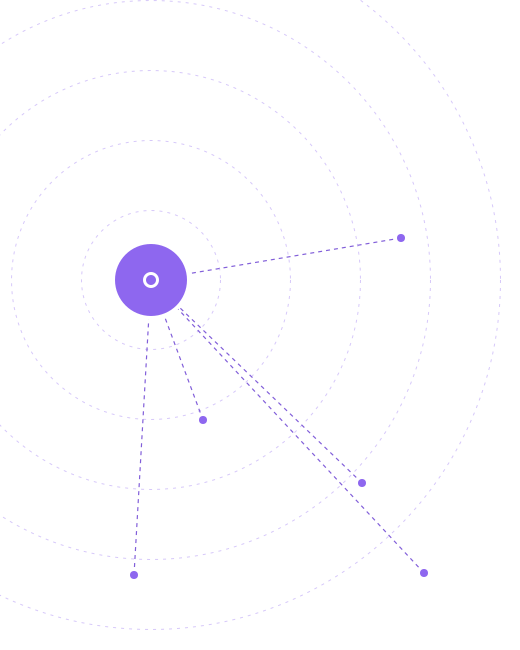 Gangneung– msDaejeon– msDaegu– msGwangju– msBusan– ms
Low latency to Korean players
Your servers run in Seoul, close to the players who notice every millisecond.
Ready for launch day
Add game servers and backend capacity ahead of a launch or event, and scale back afterwards.
Engineers in your time zone
Talk to infrastructure engineers in Korean business hours, before and during launch.
How a player gets into a match
Two paths from the player: the backend that signs them in and finds a match, and the game server they play on.
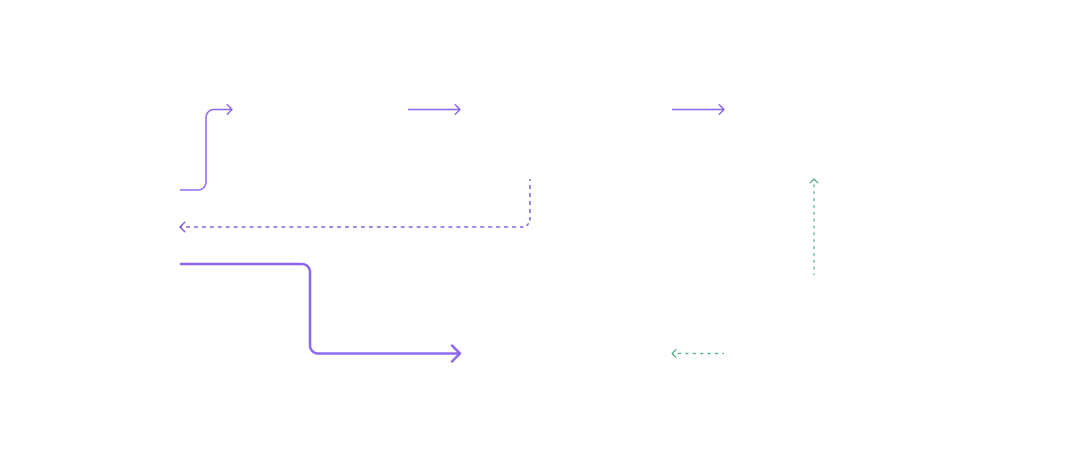
- PlayersGame client
- 1DNS as a ServiceResolves your API domain
- 2Backend APISigns the player in and runs matchmaking
- 3Managed DatabaseStores profiles, inventory and progress
- 4Server address
- 5Game serversThe client connects here directly to play
- 6MonitoringTracks player counts, load and latency
Pick the hosting model that fits your game
Persistent worlds and session-based matches scale differently. Both run next to the same backend, database and monitoring.
Cloud Server
World 1World 2World 3Long-running servers, one per world
Best forPersistent worlds and dedicated servers that run for days
How it scalesAdd servers or move to larger sizes ahead of peak hours
Managed Kubernetes
Node 1Node 2Node 3Short matches packed onto shared nodes
Best forSession-based games — matches that start and end every few minutes
How it scalesAdd nodes and game server pods as player numbers grow
Get through launch day without surprises
Plan capacity before the spike, watch it during launch week, and scale back once players settle.
- Prepare
Before launch
- Load test login, matchmaking and game servers
- Size the server pool and database for the expected peak
- Set alerts on latency, errors and player counts
- Run with headroom
Launch week
- Keep extra game servers ready for the spike
- Watch latency and load in Monitoring
- Reach an engineer while you launch
- Scale with events
Live operations
- Scale back after the peak
- Add capacity again ahead of events and updates
- Review player data backups
What we support today
Studios test infrastructure hard before they commit. Here is where DanaIX stands on the questions you will ask first.
Frequently asked questions
Running a game backend on DanaIX
Yes. Managed Database is backed up automatically by DanaIX, so player profiles, inventory and progress are protected.
Game servers and player data run in Seoul, close to players across Korea. Round-trip times depend on each player's network, so measure from your target cities during load testing and talk to an engineer if you need figures for a specific region.
Game servers run on Cloud Server or on Managed Kubernetes nodes, and you choose the size for your workload. Talk to an engineer about CPU allocation for your game before launch.
Players connect straight to your game servers on Cloud Server or Managed Kubernetes. Talk to an engineer to confirm the protocols and ports your game needs before you load test.
Load test login, matchmaking and game servers, size the server pool and database for the expected peak, and set alerts on latency, errors and player counts. During launch week, keep extra game servers ready and watch Monitoring.
DDoS protection at the network edge is still being finalized. Talk to an engineer about your requirements before you launch.
Planning a launch?
Talk to an engineer about server sizing, load testing and launch-day support.